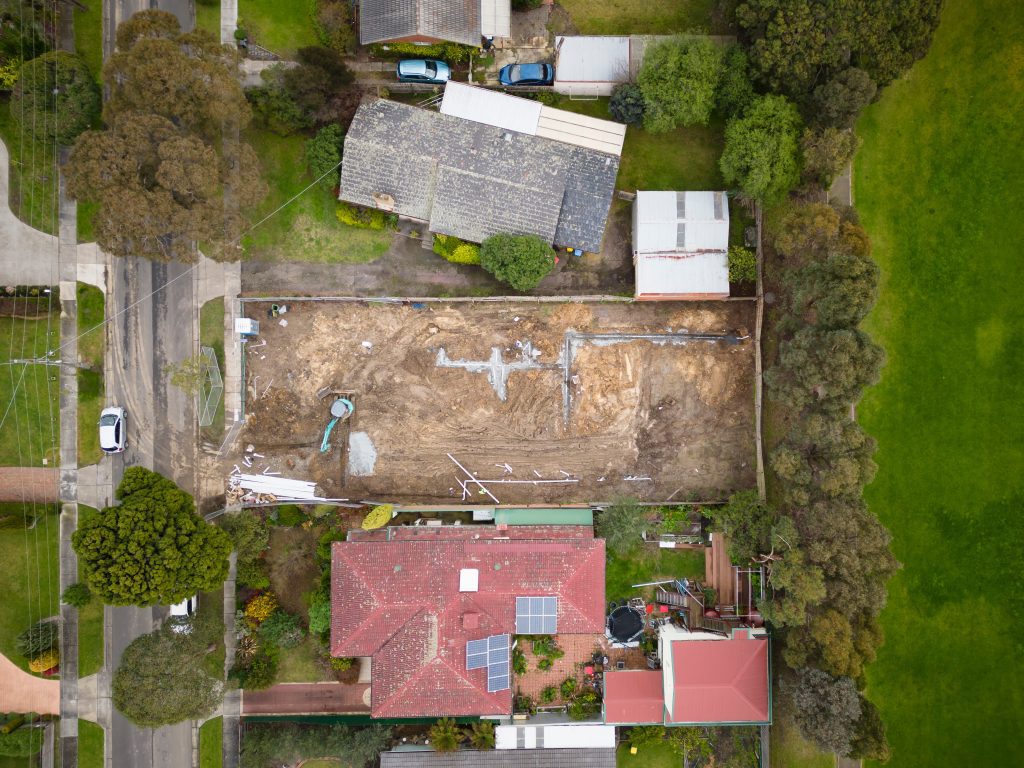
Thinking about demolishing a pre-1947 house in Brisbane? Learn when town planning approval may be needed and what Council checks.
If you own or are looking at buying an older house in Brisbane, one of the first planning questions is often: can I demolish it?
For houses built in 1946 or earlier, commonly called pre-1947 houses or pre-war houses, the answer is not always straightforward. If the property is affected by Brisbane’s Traditional Building Character overlay, demolition may require town planning approval from Brisbane City Council.
This does not mean demolition is always impossible. However, it does mean the age of the house, the overlay mapping, the streetscape, the condition of the building, and the type of demolition proposed all need to be checked carefully before any work starts.
What is a pre-1947 house?
A pre-1947 house is generally a dwelling built in 1946 or earlier. These homes are often part of Brisbane’s traditional character areas and may include Queenslanders, workers’ cottages, Californian bungalows and other older timber-and-tin style houses.
The Steffan Harries source page explains that a character house is generally a dwelling built in 1946 or earlier, and that these homes may be protected where the property is affected by the Traditional Building Character, Commercial Character, Heritage or Pre-1911 overlay.
This is why it is important to check both the age of the house and the planning overlays before assuming demolition is allowed.
Do I need approval to demolish a pre-1947 house?
You may need a development application to demolish a pre-1947 house if the property is within the Traditional Building Character overlay.
The source material notes that demolition of certain building components constructed in 1946 or earlier will generally require approval in the Traditional Building Character overlay, including components on a corner lot, components forward of the highest and rearmost part of the roof, and any component of a building constructed prior to 1911.
In plain English, demolition is more likely to need approval where it affects the parts of the house that contribute to the traditional character of the street.
This can include:
- full demolition of a pre-1947 house;
- partial demolition of original external walls or features;
- demolition on a corner lot;
- demolition forward of key parts of the roof form;
- demolition of pre-1911 building fabric; or
- demolition that changes how the house presents to the street.
Some demolition may be prescribed accepted development, meaning planning approval may not be required. However, this depends on the exact work and the site. It should always be checked before starting.
Why does Council care about demolition?
Brisbane’s older homes help form the character of many suburbs. The Traditional Building Character overlay is intended to protect residential buildings constructed in 1946 or earlier where they contribute to the traditional character of the area or streetscape.
Council is usually interested in whether the building still contributes to the character of the street. A house that has been heavily altered over time may be viewed differently to a house that still retains its original form, verandahs, roof shape, windows, stairs and other traditional features.
That is why two older houses can have different planning outcomes. One may have strong character value, while another may have been so substantially changed that its contribution is less clear.
Full demolition vs partial demolition
Not all demolition is the same.
Full demolition
Full demolition means removing the whole house. For a pre-1947 dwelling in the Traditional Building Character overlay, this can be difficult and will usually need careful planning justification. Council may consider whether the house is genuinely pre-1947, whether it contributes to the streetscape, whether it has been altered, and whether demolition would result in the loss of traditional building character.
Partial demolition
Partial demolition is common during renovations and extensions. For example, a homeowner may want to remove a rear addition, change stairs, open up part of the lower level, or remove altered parts of the house. Some partial demolition may be easier to support, particularly where it involves post-1946 additions or later alterations. The source page notes that certain demolition works may be prescribed accepted development, including demolition of internal features, post-1946 additions, and demolition that reveals original design or reconstructs original form and materials.
However, original pre-1947 external fabric should be treated carefully, especially where it is visible from the street.
Common issues to check first
Is the house actually pre-1947?
Before making any decisions, it is important to confirm the likely age of the house. This may involve reviewing historic aerial photos, survey plans, building records or title information. Steffan Harries’ source page notes that understanding the age of a character home is important when renovating or buying, and refers to searches involving aerial photos, historic detail survey plans, building records and titles where needed.
Is the property in an overlay?
A pre-1947 house is not automatically protected in every circumstance. The overlay mapping matters. The key overlays to check include Traditional Building Character, Commercial Character, Heritage and Pre-1911.
Is the house pre-1911?
Pre-1911 houses can have additional planning sensitivity. The source page notes that houses built before or during 1911 are protected under the Pre-1911 overlay, and that proposed extensions should not alter the original parts of the house. If there is any chance the building is pre-1911, this should be checked before demolition or design work progresses.
Is it a corner lot?
Corner lots can be more sensitive because more of the house is visible from the street. Demolition of pre-1947 components on a corner lot will generally need closer attention.
Has the house been heavily altered?
A house that has lost much of its original form or traditional features may need a different planning argument to a largely intact Queenslander or workers’ cottage. This is where a character assessment can be useful.
How a town planner can help
A town planner can help work out whether demolition of a pre-1947 house is likely to need approval, and whether there is a reasonable planning basis for the proposal.
This usually involves checking:
- the likely age of the house;
- Brisbane City Plan 2014 mapping;
- whether the Traditional Building Character overlay applies;
- whether the Pre-1911 overlay applies;
- what parts of the house are original;
- what parts have been altered or added later;
- whether the house contributes to the streetscape;
- whether the demolition is full or partial; and
- whether any demolition may be prescribed accepted development.
If a development application is required, a town planner can prepare the planning report, address the relevant assessment benchmarks and help coordinate the application with your designer, builder or demolition contractor.
Conclusion
So, can you demolish a pre-1947 house in Brisbane? Sometimes, but it depends on the property.
The key issues are whether the house was built in 1946 or earlier, whether the site is affected by the Traditional Building Character overlay, whether the house is pre-1911, and whether the proposed demolition affects original character fabric or the streetscape.
Before buying, designing or starting demolition work, it is worth getting the planning position checked properly.
Steffan Harries assists homeowners, buyers, designers and builders with character house demolition advice and development applications across Brisbane. If you are considering demolition of a pre-1947 house, our team can help you understand what approvals may be required before you take the next step.