
Brisbane’s character homes, with their distinctive architecture and historical significance, contribute profoundly to the city’s character. However, owning or developing these properties comes with a unique set of responsibilities, particularly when it comes to compliance with development codes. This article provides a comprehensive overview of navigating the development codes and regulations set forth by the Brisbane City Council for heritage homes, ensuring that any modifications or developments enhance rather than detract from Brisbane’s historical legacy.
Understanding Brisbane’s Development Codes
Development codes are a critical aspect of Brisbane city council town planning, designed to manage how land is used and developed within the city.
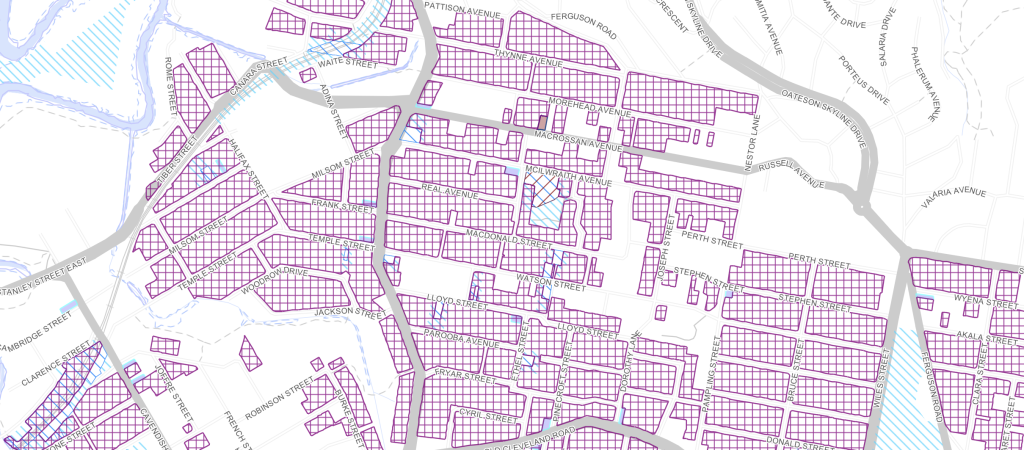
For character homes, these codes ensure that any modifications uphold the architectural integrity and historical value of the property. Key regulations include the Traditional Building Character Overlay and the Heritage Overlay, each serving to guide the appropriate development of heritage and character homes.
Development Codes for Character Houses
- Traditional Building Character Overlay, Pre-1911 Overlay, Commercial Character Building Overlay: Threse overlays applies to homes built on or before 1946 (or Pre-1911), dictating that any renovations or developments maintain the traditional architectural characteristics of the period.
- Heritage Overlay: Properties of significant historical value may also fall under the Heritage Overlay, which imposes stricter regulations to preserve the property’s heritage significance.
The Approval Process for Heritage & Character Houses
Before undertaking any work on a heritage home, it’s crucial to understand the approval process governed by Brisbane building regulations. This process helps to ensure that all proposed developments are in line with the city’s preservation goals.
Steps to Obtain Approval:
- Pre-Planning: Utilise Brisbane interactive mapping tools to determine if your property is subject to specific overlays or heritage listings.
- Consultation: Engage with a town planner or heritage specialist who can provide insight into how best to approach your development project while complying with relevant codes.
- Development Application: For major renovations or developments, submit a development application to the Brisbane City Council. This application should detail how the project adheres to the development codes and respects the heritage values of the home.
- Council Assessment: The council will assess your application against the Brisbane building regulations, ensuring that the proposed work maintains the character and heritage integrity of the property.
Navigating Challenges
Developing heritage homes can present challenges, particularly when balancing the desire for modern functionality with the need to preserve historical elements. Common challenges include:
- Structural Limitations: Many heritage homes were built with materials or techniques no longer used, requiring sensitive approaches to renovation or repair.
- Design Restrictions: Adhering to the aesthetic and architectural guidelines for renovations can limit design options, necessitating creative solutions to achieve modern living standards without compromising historical integrity.
Conclusion
Navigating the development codes for Brisbane’s heritage homes requires a careful and informed approach. By understanding and respecting the guidelines set forth by the Brisbane City Council, property owners and developers can ensure that these historical treasures continue to tell the story of Brisbane’s past for future generations. For assistance with building approvals and advice in Brisbane, especially concerning heritage homes, consulting with professionals experienced in renovating character homes in Brisbane can provide the expertise needed to navigate these complex regulations successfully.

